Bound for Port Vila, Vanuatu
We set off in a south-westerly force seven for Port Vila on Vanuatu, running under a reefed main at 6 to 7 kts and completed 171 miles on the first day. We traced an awful smell of diesel to a couple of pinholes which had not been plugged properly when I replaced the fuel tank filter. It made us feel quite ill and we were grateful for our pre-prepared meals. The new sat phone installation worked well and proved that we had been sold an absolute pup originally. It was no wonder that other owners who used iridium were surprised that I did not have a good word to say about it.
The generator kept cutting out for no apparent reason. Eventually I traced the fault to an airlock and happily fixed it because it runs the fridge, freezers, water maker and charges the batteries. It would not have made for a good trip without it! The next couple of days passed uneventfully except for the topping lift parting at the masthead and the neck of the vang adrift which when examined revealed a fracture, which would need repair once we arrived in port.
Day five was a truly awful day, with the wind increasing and blowing a steady gale. We furled the main and had just a pocket handkerchief of yankee because the autopilot drive jammed. My decision to use the spinnaker halyard to give added support in case the passarelle halyard parted was a saga in itself because it got caught round the spreader which entailed a 360 degree turn in big seas in order to recover it. What a mess! In addition, I had to spend the afternoon fixing the connections from the computer to the sat phone so we could send and receive emails and the weather grib files.
Day six was even worse! It started bad enough in a full gale with wave after wave of heavy showers. We were under a slow-moving occluded front so there was no escape. I spent most of the day and all night in the cockpit watching the autopilot and by midday needed a meal, which Sarah was cooking, and a rest. We hove-to on port tack and as I was going up the companionway to furl the staysail, we were side-swiped by a huge sea that laid us nearly flat. I flew across the cabin and landed by the galley worktop on my left upper arm, which I thought I had broken. Happily, I missed the hot food and gas burner that was on, but I was in a miserable state. Sarah went up to deal with the staysail and then came down to try to make me comfortable. She initially gave me a couple of Ibuprofen, but I told her that she had to administer morphine, because I thought I was going to pass out with the pain and shock. Apparently, I had turned grey! Thank goodness for that session with the doctor in Whangerai. We reviewed our on-board first aid manual and made a splint out of plastic water bottles wrapped with bandages and tried to strap my arm in accordance with the illustration in the manual across my chest. However, my arm would not bend that far and so with hindsight, it might have been a good idea to ask for medical help, but I was sure I had broken it, because the (severe!) pain was halfway up my upper arm.
Having complied with the advice in the manual it helpfully instructed us to go to the nearest hospital! In our present position the nearest hospital was 300miles away, so we had a choice because we were equidistant from Port Villa in Vanuatu and Noumea in New Caledonia. We knew that New Caledonia belonged to France and guessed that the medical support would be better there. We stayed hove-to overnight to rest so that we could start for Noumea in the morning.
Happily, with the engine started and with the wind abated somewhat, the autopilot behaving, we set course for Noumea, albeit that we had water in the fuel. This meant that the racor had to be emptied, regularly every few hours, which was not an easy exercise. The engine needed to be switched off and I had had to squat down in the workshop to drain the water, refill the drum and restart the engine. This was not a pleasant task and once completed I had to lie back on the saloon sofa for a few minutes to recover. We continued in this way until 1900 and then left the boat to drift beam on (a-hull) whilst we had a rest. Sarah was exhausted and could hardly put the washboards in, and we were being knocked by enormous waves. We planned to have a rest overnight, but at midnight because neither of us could sleep due to the boat being thrown about, we started the engine once more and continued towards Noumea.
Nouméa, New Caledonia, July 2009
All the rain and sea spray coming into the cockpit whilst we were running before the wind resulted in the autopilot head and all the instrumentation failing. The autopilot could be controlled from the autopilot head at the chart station, but the instruments requested a code lock. Now we had driven this boat for 21000 miles, and I had never seen this before. As usual with all computers I powered the instruments down and tried the obvious solution of 0000 or 9999 and other combinations, but to no avail. In desperation I rang Ray Marine in Fareham on the sat phone and asked them for their engineer’s code so that I could restart my instruments. The response was that there was no engineer’s code and the only way I could restart the instrumentation was by taking one of them to the nearest Ray Marine dealer. I informed them that the nearest dealer was over 1000 nautical miles away from my position and this situation was disgraceful. It meant that we would need to complete our passage to Noumea with only the plotter, radar, eyeball positioning and the paper chart - which is exactly what we did. We were only seven hours from the Passe de Havana and soon saw the loom of the lights of New Caledonia. At daybreak, once I had confirmed our position by plot, leading line, and radar we passed through the reef at the Passe de Havana and continued to motor the 40 miles inside the reef towards Noumea. When we were approaching the marina, I called up to ask for help because a crew member was injured. The reply was a question of whether any of the crew had been exposed to bird flu! However, when we arrived in the marina, John who turned out to be a doctor on a boat called ‘Destiny’, jumped on board, and looked after me whilst the boat was moored up in Port Mossel Marina. It turned out that John was a dermatologist which he described as the most family friendly medical specialism. This was because he did not have to work nights or weekends!
It was clearly essential to have medical help and the marina staff suggested that I attend the hospital in town. After a two hour wait, I was examined by a doctor and sent for x-ray. It turned out that my arm was not broken as we had thought but dislocated. Consequently, after being pumped with much morphine and breathing laughing gas the doctor manipulated my arm back into its socket. What a relief! This was the best $200 I had spent in many a long day. I was advised that I would have restricted movement for six weeks and that I had to see an orthopaedic surgeon in 10 days’ time to check that everything was healing properly. This was because the doctor was concerned that as my shoulder had been dislocated for three days there may be muscle damage. Once we got back to the boat Sarah went to bed and she described it the most glorious unbroken sleep. She certainly deserved a good rest. After all she had looked after me, sailed the boat and brought us safely to port. We contacted the children to let them know we were safe and sound. They were relieved because the last reported position that they had seen was five days ago. John and Shauna from Destiny joined us for a drink and agreed to take the sail that Pelle had given us to deliver to a boat in Vanuatu, as we were obviously not going to get there.
Noumea was just like being back in France, with an excellent supermarket, fish, and vegetable markets, boulangeries etc. The exception was that our phones were blocked – just like in Tonga, so we had to buy a local phone and Sim card. The following two weeks was spent pottering about the town, working on the boat mending, and replacing the autopilot drive with the spare and trying to understand why the battery charger failed.
We organised our tickets to go home via Sydney and Bangkok. Due to the vagaries of staff travel it was necessary to break the journey in Bangkok. Consequently, we decided to treat ourselves to a night in the Shangri-La. We had to organise Moonbeam to be lifted and stored ashore at Nouvelle Plaisance. Even though it was clear when we walked across that there was plenty of space, they said they were full. This meant that we had to engage the services of an agent who after some confusion verified that space was available and that we would be lifted on 15th July, the day before our departure for Sydney. We had booked to stay in the Best Western in town and organised transport to the airport the following morning, so we took our luggage including the instruments, autopilot drive and autopilot head to the hotel and moved Moonbeam to the travel lift. This was the first time that the boat had been lifted in France and to my surprise the price of the lift did not include washing her off, which was left to me, using our pressure washer.
I had only limited time with Moonbeam in the slings of the travel lift because another boat was booked to be lifted. This meant that I only achieved ¾ of the task before the boat was moved and chocked. Unfortunately, there was no easy access to power, so I had to complete the job using our own supply through the inverter. This depleted the batteries which would turn out to be a problem when I returned. However, we flew to Sydney, as planned, and enjoyed a couple of days just walking about and enjoying the local cuisine, before we left for a delightful stay in Bangkok on our way home.
Home to the UK
Once we arrived at LHR we were met by Tom, and it started a lovely and interesting interlude back in the UK. We had the delight of greeting our new grandson, Jack Jacob Dixon, and the deep sadness of saying goodbye to Tony, who died seven years to the day after his mother on 8th August. Poor Jo, it is so hard to imagine life without him – he was so special – a larger than life man with an infectious laugh and unfailing hospitality. He was one of my closest friends and it was hard to keep my emotion at bay while delivering his eulogy.
I saw a consultant as soon as we arrived back, who advised that I should start intensive physiotherapy for my shoulder, immediately. I found a clinic in Weybridge which organised sessions with a physiotherapist three times a week. Meanwhile, as a means of occupational therapy, I put a new kitchen into our flat in Weybridge and built a tree house for Eloise at the bottom of their garden. She was delighted with it and particularly the ‘hobbit’ door. I also made a new roof access for Annabel to enable them to look after their beehive. I renewed the instrumentation for Moonbeam and obtained a refurbished autopilot drive. Moonbeam was never far from my thoughts.
My shoulder was steadily recovering due to my determination to get better, based on the help and advice from my physiotherapist. Nevertheless, I was disappointed when Gemma's father-in-law told me that it took a full year before he was completely recovered from a similar injury. However, in the middle of September, Sarah saw a consultant who advised that her hip and foot problem required her to wear a boot for 6 to 8 weeks. She was not a happy bunny, but at least this should see the end to her discomfort. At the same time, I felt fit enough and thought it was time to return to the boat. I asked Sarah when she would like to go and perhaps was not surprised when she declared that as I had taken Moonbeam to New Caledonia, then I could bloody well take her to Brisbane. Accordingly, I set off for Noumea via Hong Kong and Sydney on 29 September, and where I arrived three days later.
Nouméa to Brisbane, October 2009
In order to get on to Moonbeam I had to buy a ladder and because all the domestic batteries were completely dead, with no means of recharging them, I bought a battery charger and four new 12v batteries which would eventually power the engine and bow thruster. The battery charger was needed to keep these 12v batteries charged. I proceeded to fit new anodes, clean the hull, fix the electronics and new and instrumentation and jury rigged the new batteries for the passage to Brisbane. On 8th October the day dawned with steady rain, but it cleared up for Moonbeam to take to the water once again, and I returned to the visitor’s pontoon in Port Moselle from where I left four days later, having bunkered 400lts of fuel.
It was to take me seven days to complete the 840 miles to Brisbane. This was my first long solo passage. Once clear of the reef and setting course for Brisbane I had to decide how to manage the boat whilst looking after myself. Initially there were several cruise ships and freighters nearby but after the second day I was more or less on my own. It was no problem by day, and I was fortunate to have generally light and following winds all the way to Brisbane. I decided to sleep in the cockpit with the radar set to provide an alarm, and sleep for no more than 40 minutes at a time. The boat was left in the hands of the autopilot and when I awoke, I inspected the horizon and the radar before returning to sleep. I found I could do this all night without becoming unduly fatigued.
I was nearly 500 miles from Noumea before I caught sight of storm petrels and the first fish under the boat. I made an itemised list of our medical kit, and all the ships stores for arrival in Australia and prepared and sent an email with my revised ETA for Customs and immigration. When I arrived on the quarantine pontoon in the Brisbane River the entry into Australia could not have been more pleasant. Both the customs and immigration officers were delightful. Moonbeam was now in Oz.
I moved to the River Gate Marina which was closer to the city. I was grateful for the help from Nick and Carmel on their boat ‘Thistle’, who assisted me in fitting a new inner stay because I had discovered some broken strands when I went up the mast to inspect the rigging.
I hired a car and drove 200 km inland to collect a new battery charger from an ex-Victron employee. This was a new 100amp charger to replace the failed unit for which Victron no longer provided spares.
Brisbane to Port Stephens and Sydney
So, with a good forecast I departed River Gate Marina early on 22nd October. I followed the channel and once off Cowan, followed the Inner Freeman channel. This proved not to be a good idea as the chart was in error and I was avoiding breakers and shallows. However once around Cape Moreton I found deep water at last and started going south with a good following breeze. This resulted in the first days run of 221 miles which is a record for Moonbeam, and she at last entered the Tasman Sea. My destination was Sydney, but the engine kept stopping. The fault was finally traced to the racor which appeared to have an airlock in the supply pipe. With time getting short I decided to divert to Port Stephens and was supported by a pod of Whales to starboard.
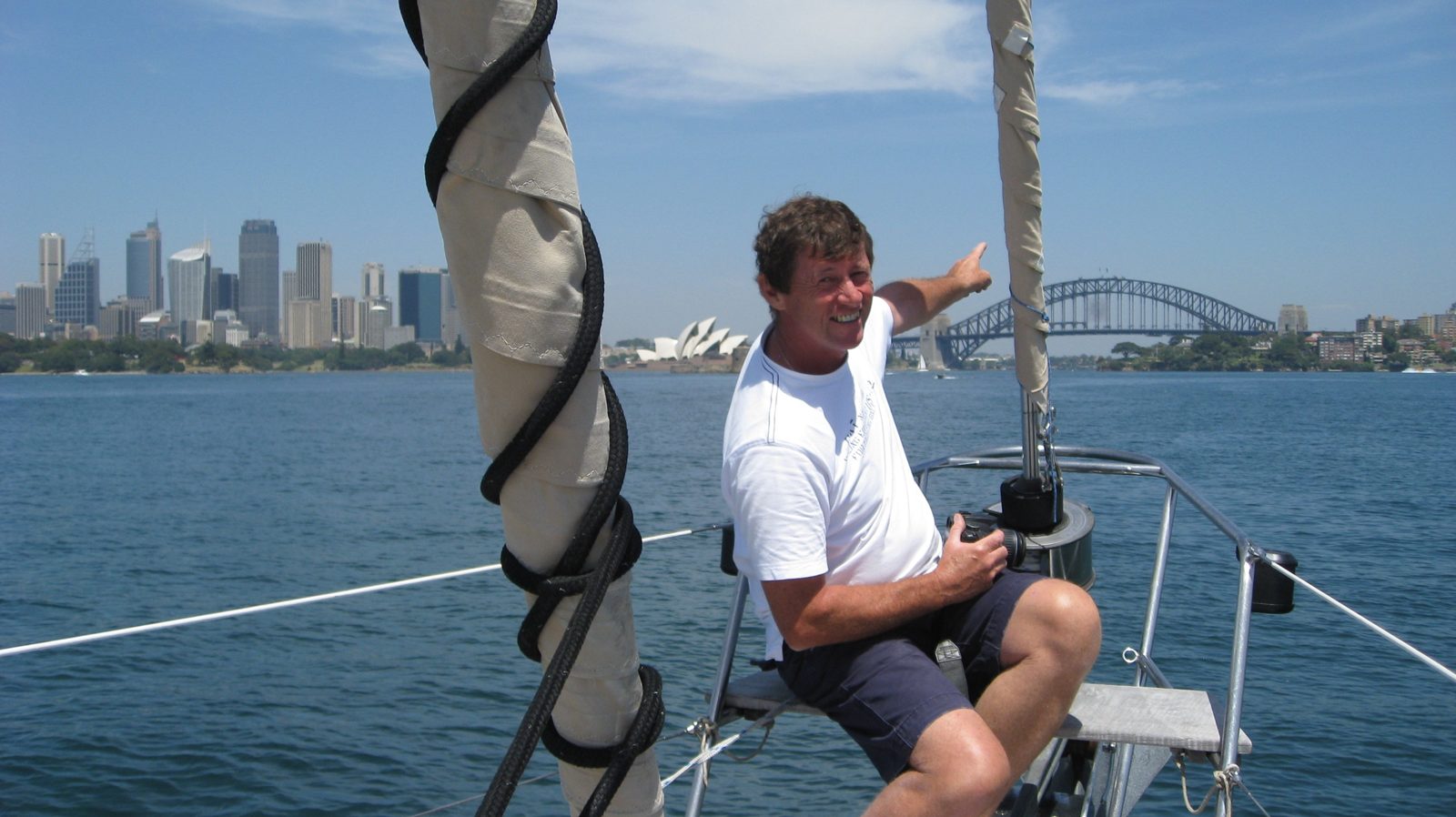
Once I had tied up in the marina, I had to organise a hire car because Sarah was due to arrive at Sydney Airport the next day. This being a Saturday in Australia, it meant that the local hire car agencies were closed. The nearest place I could find a car was at Newcastle airport which was 50 km away. I checked the bus times and duly waited at the bus stop at the appointed hour, but unfortunately there was no bus. It turned out that I had failed to notice that there is a one-hour time difference between Queensland and New South Wales. This meant that I was an hour late for the bus. There was no other way of getting to the airport except by taxi, which made this car hire rather expensive! However, at least I had a car so that I could drive to the airport in Sydney to collect Sarah, even though the morning traffic caused me to be late.
With Sarah safely on board I fitted the new battery charger and dismantled the old one to find that it was completely corroded. We filled our gas bottles, and I serviced the racor which proved to be the problem for the persistent engine problems I had experienced on my trip from Brisbane. We drove around the bay and found an oyster farm and bought a dozen for supper. I returned the hire car and we set off for Sydney the following day. We had decided to stay in the Pittwater where we lived here when I had two postings when I was flying.
The Pittwater, Sydney
We had a pleasant day’s sail on a good forecast with the sun shining and when we arrived in the Pittwater it was like a trip coming home. I had sailed this area countless times on our postings, and we could recognise the places where we lived. We got a berth in the Royal Prince Alfred yacht club which had been so hospitable when we were living here.
In the morning we managed to catch a ride on a private bus that took us down to Manly Ferry where we took the ferry to Circular Quay and then a taxi to pick up our car which we had booked from Europcar. It was a horrid bright green colour but got us mobile.
In the evening we met Jo and Keith Rees. I had trained with Keith and Sarah had worked for BA with Jo, on the ground shortly after we were married. We had a meal together in a pub called Philip Foote where we cooked our own food on the barbecue. It was a place that we used to go to when night stopping Sydney on a trip.
The next morning, I collected them from the Manly Ferry, and we had a lovely day gently sailing up the Pittwater to The Basin, where we picked up a buoy and had lunch. It was perfect weather because Jo is not a good sailor. There was just a very light sailing breeze and beautiful blue skies. They left us in the early evening when I drove them back to the ferry. It was lovely to spend time with them.
The next couple of days were spent organising the boat to make room for Tom and Annabel who arrived on time on 2nd November. Annabel from Hong Kong and Tom via the Middle East. They landed within an hour of each other, tired and moaning about travelling economy! They have been spoilt over the years travelling with me in comfort. We drove them back to Moonbeam over Sydney Harbour Bridge so they could glimpse the Opera House and down through the Spit. Tom was to be with us for 11 days and Annabel for 18.
Melbourne Cup Day was spent taking Tom and Annabel down memory lane. We went to find the house we lived in Illuka road in Palm Beach, but they had knocked the house down and redeveloped the site, although the old traditional bungalow next door was still standing. Annabel was two years old when we lived here, and she went for a dip both off Palm Beach and Whale Beach. We drove back through Bayview and passed Loquat Valley School where Gemma went for a term, and up to Kookaburra Close where the house we lived in was still there, although extended. We then went up to the Kurungai Chase for a barbecue. There was an extreme fire warning so many of the trails were closed, but fortunately since we were last here, gas barbeques had been installed to replace the wood fired ones. Tom nearly stepped on an iguana, which gave him a bit of a shock as we climbed up the steps to West Head. They really do look like miniature dragons. In the evening we entertained Peter and Christine who were moored alongside us. Peter was an ex-Qantas cabin service director and he and Christine ran a sailing school. We enjoyed their company, and they were very helpful to us for the time we stayed there. They introduced us to the Aussie way of joining another boat for drinks – you bring your own!
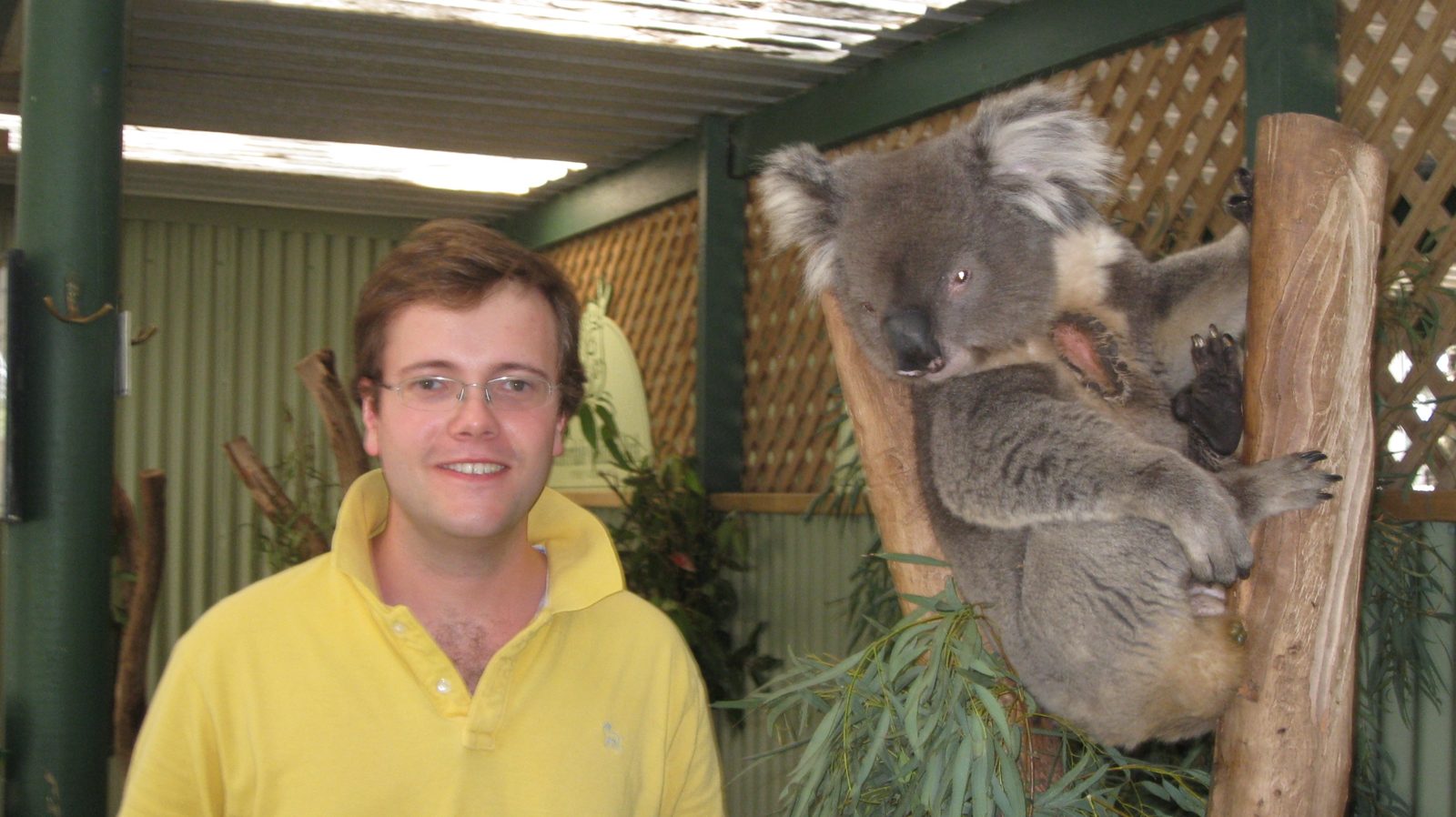
We spent the time that the children were with us being real tourists. We went into Sydney and did a tour of the Royal Opera House. We went up to the Hunter Valley and spent a wonderful day in a wildlife park watching koalas having lunch. We had a trip to the Cottage Point Inn because the yacht club needed our birth for a night. We motored up the Pittwater and passed West Head and Lion Island up into the Hawkesbury River. We moored at the Cottage Point pontoon allowing for the seaplanes to be tied up behind us. We had a wonderful lunch, as ever, and delighted in the tame kookaburras being hand fed. We then spent a day in Callen Creek and dropped anchor for the first time in a long time, in Smiths Creek and then gently drifted back to the yacht club.
We were very sad to see Tom go when we delivered him to the airport, after we had lunch at the fish market, down-town. It had been well reviewed, but I don’t think we chose the best venue, which was a shame as it was his last meal with us. However, if all goes well, we will see him at Christmas. We spent the next day at Newport Beach watching the lifeguards training. It was fascinating to see how they would give mouth to mouth resuscitation whilst the casualty was supported on a surfboard.
Annabel was determined to complete a walk in the Blue Mountains. So, we drove up and checked out the National Trail. It was advertised as a 4 to 5-hour walk, and there was not a lot of daylight left, but Annabel and I did it in one and a half hours, allowing Sarah to read her book and collect us at the end of the trail. The remaining time of Annabel's visit was doing girly things with her mother. Our transport to the airport for Annabel's flight to San Francisco was somewhat what tense, because we got snarled up in traffic. Happily, her flight was delayed so she left us as planned, but sad for us because it had been so much fun to have had two of our children visit us.
The next two weeks was spent cleaning stainless, varnishing the saloon table, the cockpit table and Sarah's side table. I went up and down the mast like a yo-yo because the television antenna had become disconnected from its cable. In addition, we had a problem with the upper swivel on the Yankee foil that was cutting the halyard. The port mast winch had needed servicing, but when I stripped it down it had been affected by corrosion between the aluminium of the mast and the bronze base, which was badly cracked, so a spare was ordered for delivery on our return to the UK.
We decided to take a trip to Canberra and after an early start drove through Sydney and the Southern Highlands and stopped at the Surveyor General in Berrima for a drink because it is supposedly one of the oldest in Australia. We continued to Canberra with its wide avenues and lots of trees planted alongside and on the site of the new parliament building. That could not be said of the motel that we stayed in which was ghastly but at least clean. The next day we went to the parliament building which is really impressive. It completely embodies the spirit of optimism of a young Australia. We were permitted to sit in the visitors’ gallery of both the House of Representatives and the Senate. It was fascinating. It looked as though there was some plotting going on because the Liberal coalition leader, Malcolm Turnbull, was hanging on to his position by his fingertips. Then we went on to the War Memorial Museum at the other end of the Avenue. It was majestic and had been designed by an American architect with wide avenues and vistas. All in all, it was quite splendid. Afterwards we went to the Australian Botanical Gardens where we had a slow walk around the garden with so many wonderful plants that Sarah had not seen before and in fairness I wouldn't have noticed. This turned out to be a really good trip.
When we got back to Moonbeam, we took the ‘green bug as we called our Hyundai Getz back to Europcar in which we had driven 3000 km. We then crossed William Street to pick up another car from Budget this time. It was a red version, but slightly bigger so hopefully the air-conditioning would be more efficient. The weather seemed to oscillate between being overcast and wet and very hot, easily in the high 30°C.
Our next treat was when we motored down to Sydney in Moonbeam - past the Opera House and under Sydney Harbour Bridge and then through the Spit Bridge and picked up a mooring in Sugar Loaf Bay. It was very difficult to believe we were right in the middle of Sydney because the bush came right down to the water's edge. We caught a fish on the way, but it managed to escape and at the same time we had the first breakage of our china service - one of the mugs. It was quite amazing really when you think it was three years since we first acquired it.
Sugar loaf Bay proved to be a good, sheltered anchorage because the weather forecast was to expect a southerly gale to come through. However, we woke up the next day to peace and quiet apart from the noise of the birds in the bush around us. We went out through the Spit Bridge albeit a bit late, but in quite a nice breeze and sailed out of Sydney Harbour Heads and then had a lovely sail back to the Pittwater, spending the night in the Basin before taking Moonbeam back to the yacht club where she would remain while we returned home for Christmas. We entertained Peter and Chris from ‘Splash’ for supper and they persuaded us to buy a Cobb barbecue as it provided a safe means of using one on the boat because the fire is surrounded by a moat.
We had organised tickets to go home on 15 December and had still lots to do before we left, so we used that as an excuse to get out of going to a ‘cruisers’ lunch with Peter and Chris but we had a drink with them in the evening. They invited themselves to have it on our boat with a couple from ‘Evening Star’ Julie and Simon. They were a charming couple with Simon sending Julie up the mast when necessary – I obviously got our arrangement for ascending the mast wrong, especially when we found out later that they were 70 and 74! We thought to ourselves, that if we were like them at their age we would be delighted. Simon was kind enough to offer to keep an eye on Moonbeam whilst we were away.
Well, we set off for the airport and got rid of the car and were lucky enough to travel back in comfort having to re-check in in Bangkok, which necessitated a mad dash through the airport only to be allocated the seats that we had just left! So, we were home for a family Christmas catching up with the children and grandchildren and our wider families. It was a truly lovely time. I set off back to Sydney the day after Boxing Day and arrived in time to take Moonbeam down to Sydney Harbour for New Year’s Eve.
When I arrived through Sydney Harbour Heads and set course down towards the Harbour Bridge, I was amazed to see so many boats. I anchored alongside Splash and rafted up to them in the early afternoon and spent the next few hours watching more and more boats assemble. It looked as though at one stage you could walk across the harbour from boat to boat because there was so many of them. In a very typical ‘Australian Rules’ manner, the boats were patrolled by New South Wales Coast Guard who were giving everyone who was not showing an anchor light a hard time. This was notwithstanding the fact that no one on the water could fail to see the general lights of the thousands of boats anchored there. However, what was to follow was a sight that I shall remember for the rest of my life. At 9 o'clock in the evening there was a firework display which was put on for young children, so they could go to bed whilst their mums and dads stayed up for the main event. The firework display at midnight was staggeringly beautiful. The way in which Sydney Harbour Bridge was used as the platform for the main part of celebration was quite amazing.
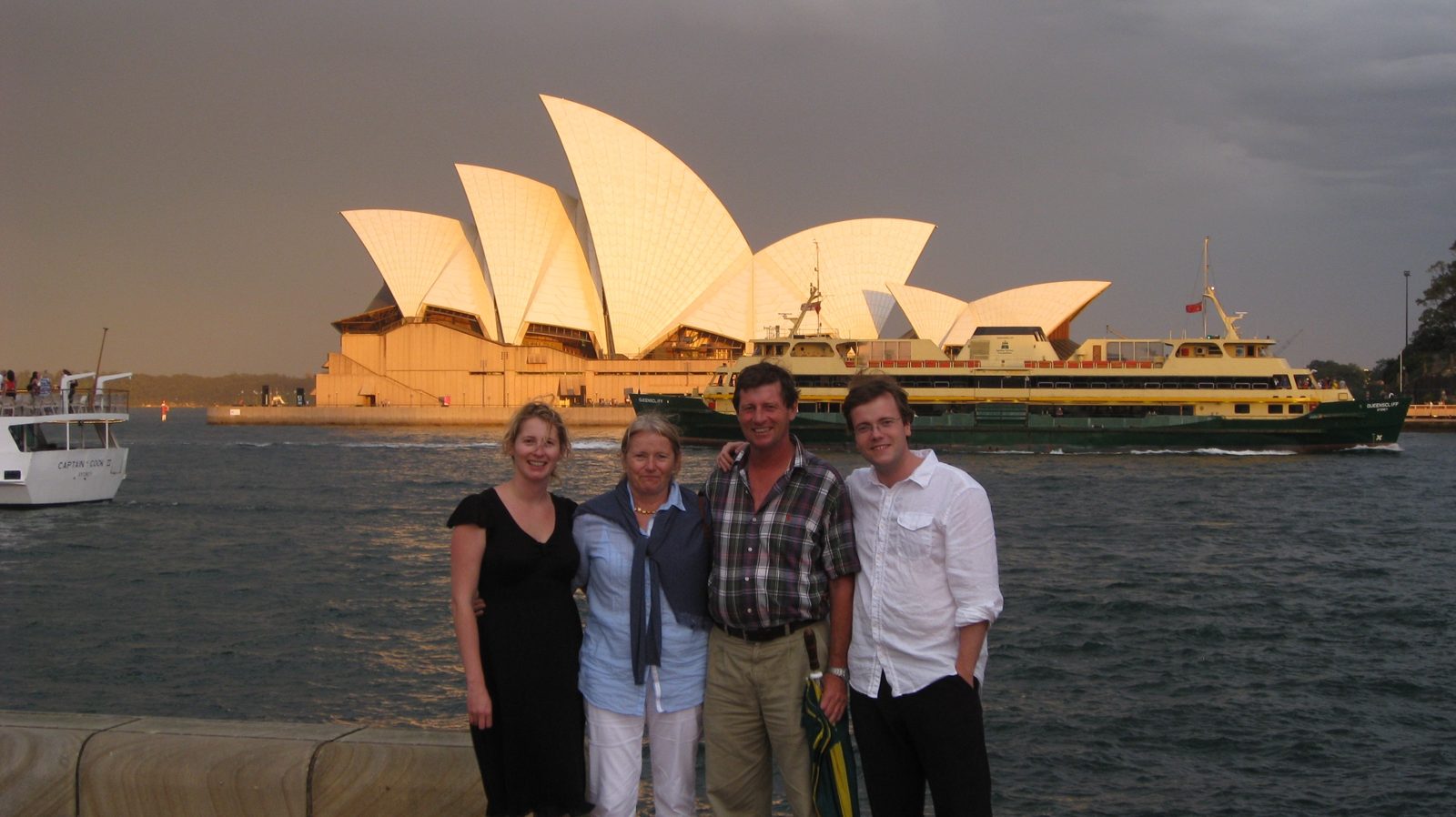
After we had welcomed the start of 2010, I retired to bed and upon waking up the following morning was astounded to see that most of the boats had disappeared, and I was more or less on my own! I spent the day servicing the generator and on 2nd January I drifted back to the Pittwater and moored up at the yacht club. Sarah meanwhile was skiing with the children in La Clusaz and was planning to return to Sydney a few days later, only to find when she turned up at the airport that the flight was overbooked. The first attempt on 18 January resulted in Sarah being turned away as there was no space available, nor was there likely to be space until the following Friday, when she was advised to try again. Now, as she had a first-class ticket the fact that she was travelling out with the folding bicycle that I had given her for Christmas was no problem because it was within the baggage allowance.
However, when she arrived back at the airport, she was told that it was unlikely that she would be able to get on the Bangkok flight, but she would be able to get to Singapore What she wasn't told was that it was unlikely that she would be able to continue her journey beyond Singapore! Now Singapore is not the cheapest place in the world to have to stay in a hotel. Nevertheless, she was able to get a room in the airport Crown Plaza, but when she tried to get on the next day's flight, she was told that it was unlikely there would be any space available for at least another week. Consequently, I decided to buy a ticket on Garuda going via Bali to Sydney. Luckily, Sarah turned up early for the flight only to be told that she would need to pay over 600 Singapore dollars for excess baggage because of the folding bike. Needless to say, this was more than the bike was worth. However, happily there was enough time for her to send it as unaccompanied baggage for half the price. In the end, she eventually arrived 10 days later than planned. Such are the vagaries of staff travel!
I met her at Sydney airport, and we drove back home to the yacht club where Moonbeam was lying out in the anchorage on a buoy, Sarah could be rocked to sleep and overcome her jetlag. She was too tired to stay up for the firework display on the Pittwater which started at midnight to celebrate Australia Day. But when we went into town later in the morning, all the flags were flying, and supermarkets covered with bunting. We decided to have a lazy day with a barbecue on our new Cobb with some oysters to start with. We were to learn that the disadvantage of the Cobb is the length of time and energy needed to clean it after use!
The next day we had a gentle sail down to the Basin for a barbecue organised by Peter and Chris for ''old salts” having done a quick hop ashore to buy food. The picnic area at the Basin was delightful. It was no wonder that Annabel and Tom had come back wide-eyed after their excursion ashore here. Wallabies and kookaburras surrounded us where about 20 people turned for the occasion. We stayed the night here and Sarah reported waking up to the worst hangover she'd had in a long time - it must have been the sparkling Shiraz that did the damage.
The last few days of January were spent pottering about on the mooring taking trips into Avalon to change DVDs and buy diesel in the jerry cans as there was no fuel pontoon at the club. We booked to see La Traviata at the Sydney Opera House to celebrate our anniversary and left early to drive down to Sydney where all along the waterfront it was absolutely bustling, particularly around the Opera House. The performance was magical with the costumes, scenery and music being very special.
So, on our anniversary on the 2nd of February we rang Qantas who said just come along to the warehouse and pick up Sarah's new bike. However, a whole morning was spent at the airport because we had to queue for forms to take to customs and then visit quarantine and finally have the bike delivered to us in a forklift truck. Now this bike was now worth half as much as the dinghy by now, and the irony is that it in its entire life it was only ridden once!
However, on the way back we called into Sydney Fish market and bought oysters, prawns, crab, and lobster for our anniversary meal which we had in the cockpit with some champagne. There was a gentle cooling breeze from the south which was just lovely and made this special occasion perfect.
South from Sydney, February 2010
It was time to move on before we grew more weed. It is true that the longer we stayed in one place the harder it was to leave. We bought more fuel and food, and I took the car back to Sydney and came home to the boat via the Manly Ferry and the bus and the following day we set sail for Sydney Harbour. We overnighted at the Basin and with a good forecast in the morning sailed down through the Heads and picked up a mooring off Taronga zoo in Port Jackson just before the rain started. This was the start of a couple of wet and miserable days with torrential downpours that caused flooding in the city. They needed the rain, of course because it was this time last year when there were terrible bush fires in Victoria.
We left Sydney Harbour (Port Jackson) for a quick trip down to Port Hacking and picked up a mooring in quite shallow waters close to the shore in Jiboon Bay. There was a great deal of sea grass on the bottom, which was protected, with heavy fines if you were caught anchoring in it or damaging it in any way, because it was a refuge for young fish. It was evidently a good place to fish for squid with quite a few dinghies drifting in and around the sea grass.
The following day started as a beautiful morning when we left and motored down the coast. There is a large national park extending from Port Hacking almost to Wollongong with just a few small towns along the way. The Pacific Highway bridge could be clearly seen, which we had driven across in November. Stretching behind the amazing beach which extends for miles along the coastline we could see the hills that the Aussies call the Southern Alps. As we entered the Crookhaven River we were reminded of the entrance to Spaanse water in Curacao as it was very narrow and shallow but at least this one was well marked and had leading lines! Once inside the entrance we motored safely up the river and found a pleasant anchorage just off Greenwell Point. We had a wonderful welcome from lots of pelicans which were hanging around the fishermen as they were gutting their fish. Anything for an easy meal.
We decided to stay the day here and have a slightly longer hop the next. So, we dinghied to shore and walked up into the village which was just a few shops and obviously a holiday spot. We bought some fresh vegetables and a newspaper and some beer from a very friendly village hotel/ pub/ bottle shop, to which we returned to in the evening for a drink. The pub was grim, with no women and just men propped up against a disgusting bar not talking to each other - Bill Bryson describes them brilliantly. Our early morning departure plan was foiled by fog but once it did eventually lift, we were able to motor down the river in bright sunshine and then motor sailed about 75nms south to anchor off Broulee Island which is just south of Batemans Bay. Joy of joy we caught a tuna that replaced the one that got away as I was trying to get it aboard, so sashimi is planned for tomorrow!
The next day started in a local Aussie expression “steamy ''which in English is hot and humid so we decided to dinghy up the little river to a boat ramp and small pontoon and walked into Broulee village where there was a general store and local post office in a row of shops and newsagents and a small café. It was very hot walking back the mile or so to the boat ramp and so it was a relief to get back to Moonbeam for a quick shower.
In the afternoon the wind turned into the South the anchorage became quite unpleasant, so we moved initially to the other side of the island which was at least out of the wind but a bit roly-poly. When we listened to the forecast the following day there was a deepening southerly depression to the south, which would clearly make our anchorage worse so looking for a nearby shelter I calculated that we could just clear the entrance to the Moruya River, which was just a few miles away. We crept in on the top of the spring tide, very slowly and following the leading marks as closely as we could before we could motor up the river, which itself was shallow until we found a pool of water in about 4.7 m to anchor. It was beautifully sheltered, which was just as well because it started to pour with rain. We thought that given the weather we would be here for at least a couple of days but how wrong we were!
We were about a mile downriver from the town of Moruya, which had a good Woolworths, so we were able to stock up, although most of the other shops were shut as they obviously closed early on a Saturday afternoon, which was typical away from the cities. The next four days were spent in torrential rain which undoubtedly made the farmers happy given the preceding drought. However, the ebb tide was really strong with the water carrying all sorts of debris downstream, and which had the effect of shifting the sand bar in the entrance. Consequently, when we tried to depart on the 17th of February, we touched bottom on the bar and abandoned the attempt and returned to our pool. We tried again the following day on the top of the tide when the swell in the bay had decreased somewhat but we could not find a way out!
Two locals in a fishing boat were kind enough to explore the entrance and confirmed there was not enough water for us to pass over the bar so we would have to wait for the next spring tide. So essentially, we were landlocked for the next eight days which we spent pottering to the town and doing odd jobs on the boat, fixing the water maker, and making a cover for the jerry cans. Once the rain had finally stopped, we spent a whole morning in the dinghy surveying the entrance to the river with a lead line and finding and marking an escape route. This bores no relation at all to the leading marks we used to get into the river, and we had to make up our own marks from the surrounding topography. Fingers crossed we would be able to leave without having the mouth of the river dredged!
So, 12 days after entering the river we woke early and set off for the entrance. As the sun started to come up, we could make out the clump of trees which was our mark to turn across the river and line up with our new leading lines. We managed to touch the bottom only once before we were through the first part of the transit and could creep alongside the training seawall until we were out of the river. What joy! We really were worried that we might need to have hired a dredger.
We had recognised that our time locked up in the river made our plan to reach Melbourne impractical, so we decided we must go north again and headed off for Jervis Bay. Once inside we set course direct for Hare Bay but were chased off by a navy patrol boat informing us that we were entering a live bombing range and we must track the edge of the bay. The only consolation to this piece of poor planning was that we caught a fine bonito which was delicious. Over the course of the next few days, we went back to the Pittwater via Greenwell Point and Port Hacking and stayed there for another 3 weeks. The Royal Prince Alfred Yacht Club were absolutely outstanding in their friendly hospitality. Even though we spent most of our time tied up on their pontoons they insisted on only charging us as though we had been on a buoy throughout the entire period that we were with them. I wonder how many yacht clubs at home would do the same.
Leaving the Pittwater, March 2010
It was to be that after very nearly 5 months we would finally leave the Pittwater for the last time, on 23rd March. We felt quite sad as we had left behind many new friends and had enjoyed the city and the general area around the Pittwater so much. It had brought back so many happy memories of our two postings out here when I was flying. I wonder if we shall ever return.
Our overall general plan was to head north to be in Brisbane before the beginning of May as Jane and Willem Westermann were due to join us once more for a few weeks. Our first stop was Lake Macquarie where once through the bridge, we stayed for a week anchored off Belmont initially, and then on a visitor's buoy at Wangi Wangi.
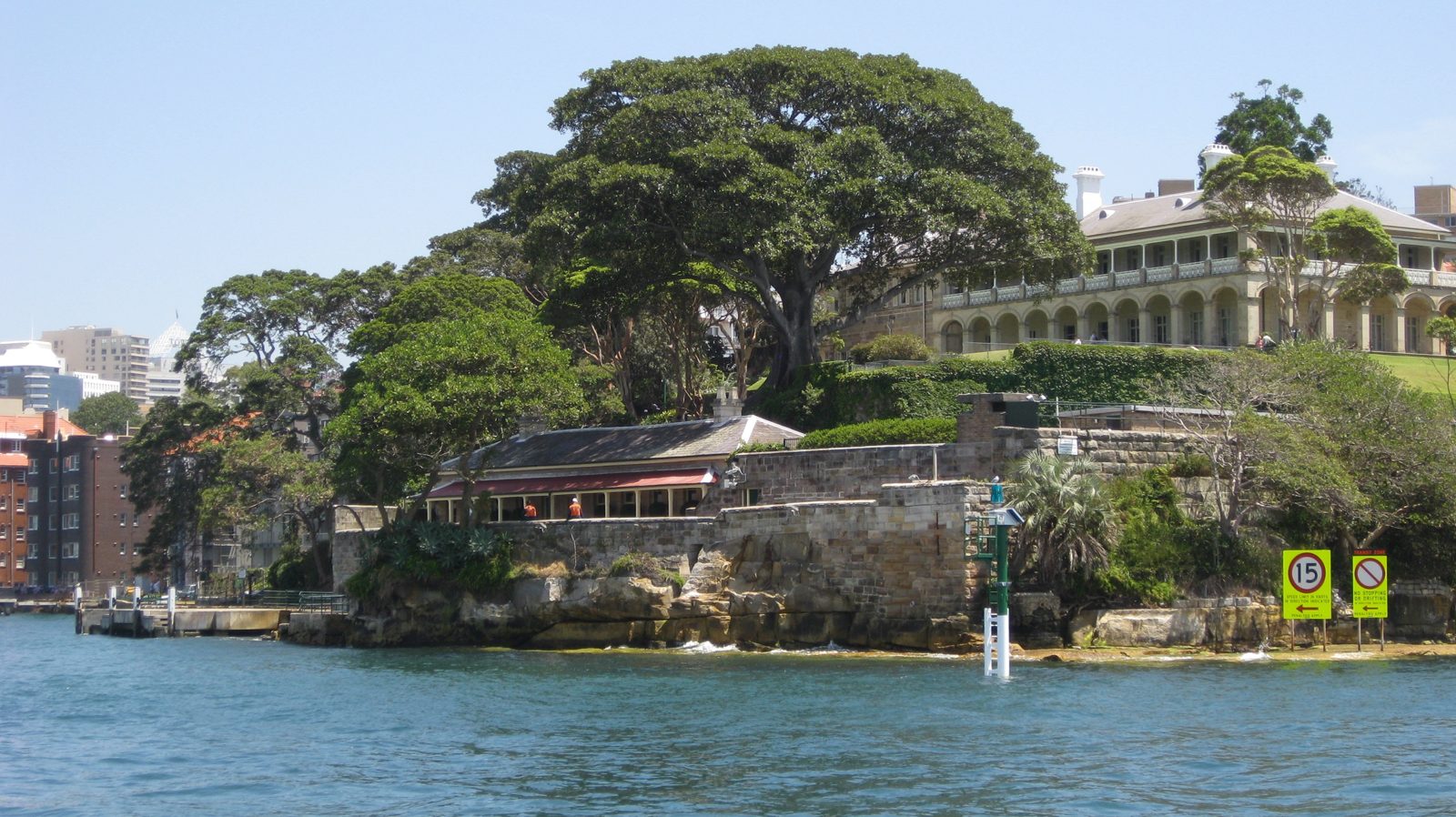
This period was spent, in delightful weather, servicing the engine and generator and working on the deck. The caulking had become adrift in places and so I decided to rip it all out and re-caulk it. This entailed undertaking a laborious exercise using a custom-made chisel to extract the old caulking, dress the teak put a stabiliser on it, mask the gaps and renew the caulk before sanding it down. You can imagine how pleased we were when this task was finally completed, and the deck looked quite pristine once more. It had always fascinated me that as a very hard-wearing surface when dry, teak loses its fibres quite readily when it is wet. It is why it is recommended never to use a pressure washer to clean.
When we left Lake Macquarie, we discovered the phenomena of a tide overrun. The effect of the large expanse of the lake connected to the open sea by a narrow channel meant that when the tide ebbed, the outflow from the lake continued for up to a couple of hours after low-water and at speeds up to 6 knots. When we came off the courtesy buoy by Swansea Bridge, where we were waiting for the bridge to open so that we could leave the lake, Moonbeam was virtually uncontrollable even at full throttle. However, we made it and spent the rest of the following day tracking up to Nelson Bay in Port Stephens to recover our composure!
Once we had picked up the mooring outside Nelson Bay Marina we popped into town and did a little shopping when we returned to the dinghy, we found a couple that we had met in the Pittwater and got to know well. Kerry and Linda were circumnavigating Australia on their boat ‘Sojourn’. Now Kerry had been struck by the boom when racing on the Sydney Hobart race years before and sadly had developed Multiple Sclerosis. He kept his mobility scooter in the lazarette of their Benetau, but it meant that he had to work around the cockpit by using his arms and upper body, whilst Linda did most of the hard graft crewing. They were a really lovely couple and we had shared a number of pleasant evenings with them, and to our delight this was to be another one. We knew that it was unlikely that we would ever see them again as they were heading north at a much quicker pace.
During the night the boat moved round the buoy in the wind and in the morning was touching bottom, so we moved out to Salamander Bay to anchor in much deeper water. We decided that it would be best to make an overnight passage to Laurenton, so that we could arrive in the morning on the top of the tide, as in keeping with so many rivers on this coast the entrance was protected by a bar and was only accessible close to high water for a boat with Moonbeam’s draft.
We motor sailed up to Salamander Bay by the entrance to Port Stephens and picked up a buoy there so that we could have a rest prior to our departure later that evening. A fisherman came out to talk to us on his kayak and warned us to be very careful going into Laurieton River, as it was known to be tricky. Well, it turned out that his warning was well made. After a pleasant and uneventful sail in a beam wind, we arrived off the entrance to the river at 0930 in the morning, in beautiful sunshine. The leading marks were easy to identify, the tide was right, but as we got closer to the entrance, we noticed that the waves were breaking across the entrance and near to it. However, by this time we were committed and found ourselves surfing in at one stage being nearly laid flat on a breaking wave, before getting through the entrance to the applause of several onlookers standing at the heads. One of their number came to talk to us after we had moored up at the RSL jetty in town to say that our arrival looked quite scary with our mast rocking side to side like a pendulum. I responded that he should have seen it from where I was standing! My logbook entry says the bar was entertaining, somewhat of an understatement looking back.
Returned Servicemen Leagues, (RSL) are found all over Australia, in towns and villages alike. They welcome visitors and are a haven for gamblers who enjoy the pokies. They usually have restaurants attached to their bars and are generally well supported by the local community. At 1800 every evening everyone stands up for a minute’s silence at the end of which a verse from Laurence Binyon’s poem ‘For the Fallen, is read out:
They shall grow not old as we that are left grow old: Age shall not weary them, nor the years condemn. At the going down of the sun and in the morning. We will remember them.
It is a very special insight into Australian patriotism and their genuine respect for their armed forces.
The Australian Volunteer Marine Rescue organisation provides rescue services and Coast Guard observation along the entire coast. It is manned exclusively by volunteers, and Laurieton was one of a very few that provided a 24-hour watch. When I went to visit their headquarters, it was clearly a refuge for the male retirees who staffed it. They had their own kitchen and bar within its confines.
Laurieton was a lovely place, and it was great fun staying on the public pontoon as many people came to talk to us. We even have a couple from Gisborne, New Zealand offering to lend us their car so we could explore the area. It is a pretty river with lots of yachts and dozens of pelicans or ‘flying pigs’ as they are described because they all sit around on the pontoon waiting for the fishermen to return and get the easy pickings as they clean their catch.
We were up early on the Monday after the clocks changed so we could walk up Brother Mountain behind, us which had been named by Captain Cook. There were 880 steps according to the noticeboard, but I only counted 770. Anyway, it was a steep climb, and we were pleased to come back down again for a cold beer. However, the view from the top was stunning - looking straight down the river to the entrance and the bar and we could make out the pattern of the breaking waves across it.
When the tide was out, I could stand on the riverbed with diving equipment and was able to change the propeller anode that had become loose and to clean some of the hull. We caught a bus into Port Macquarie, but it must be said that the journey was better than the town. Whilst we were waiting at a bus stop, we saw a koala bear in a eucalyptus by the bus stop. It was the first time we'd ever seen a koala in the wild and was a delightful sight.
After checking the weather in an Internet café, we decided to depart on the high tide on Thursday, 8 April. We led quite a procession down the river, but the closest tail was a Swiss couple, who had gone aground when coming into the river. The VMR had dispatched a rib to lead them through the bar at the entrance and then left them to return direct to their boat ramp. Unfortunately, they followed rather than navigating the marks and they were really upset and a little underconfident, because it was their first mishap in 10 years of cruising. Anyway, the departure was much less of an event than the arrival and we were able to have a gentle sail up to Trial Bay in Coffs Harbour.
We were singularly unimpressed with Coffs Harbour as the swell inside was substantial and there was nowhere to hide that was not roly-poly. Consequently, we quickly decided to move on to Yamba/Iluka in the Clarence River. High tide was at 1800 so we would have very little light left having crossed the bar. Having frightened myself crossing the bar in Laurieton, this time I contacted Iluka VMR and enquired about the entry conditions which were duly reported to be benign, so happily no surprises here. We crept into Iluka Harbour and managed to anchor with very little light left, although it turned out to be a good position as we didn't have to move in the morning. We spent a week here shuttling between Yamba on the south bank of the river and Iluka on the north. I acquired a couple of collapsible crab pots more in hope than expectation of catching anything.
We were of course now in the Coral Sea and luckily found a copy of Alan Lucas's Coral Coast. This enabled us to see that we would not be able to cut through the channel from the Gold Coast to Moreton Bay in order to get into Brisbane, as the main channel is silted up and the other channel had power lines over it. This meant that we would have to route another 60 miles to get around to Brisbane using the shipping channel.
We departed the Clarence River straightforwardly and set off for Southport on the Gold Coast, spending an awful night anchored in Byron Bay. We woke up feeling as though we had been through a tumble dryer! However, the entrance through the spit into the bay was straightforward, although the man on watch in the VMR was slightly surly, which was the first time we had encountered anything other than very friendly conversations on the radio.
What a contrast from Yamba! Speedboats were tearing up and down just outside the anchorage and we discovered that the speed limit was 40 kts! Even the crossing to Southport for shopping was a nightmare in the dinghy, but we were able to stock up enough for the next couple of days for our trip to Brisbane.
Brisbane, April–May 2010
We set off from Southport just before sunset on 17th of April and once we had cleared the bar set sail into an awful sea with a short steep swell, but nevertheless made steady progress to the north of Moreton Island to pick up the north-west shipping channel into Brisbane. This was much easier, given the problems I had coming southbound using the shorter routes. However, this put us bow into a fresh breeze and ebb current, so we were very pleased indeed to enter the Brisbane River and moor up at the Riverside Marina, where we stayed for a few days before repositioning to the Royal Queensland Yacht Squadron at Manly. We had now completed over 25,000 miles since we left home.
We were to spend just over three weeks in this delightful city. Firstly, we had to reorganise the boat has it been quite a while since we had guests on board, and it was necessary to acquire charts for the cruise northwards. It was also an opportunity to replace some of the domestic batteries which were not holding their charge as well as they should.
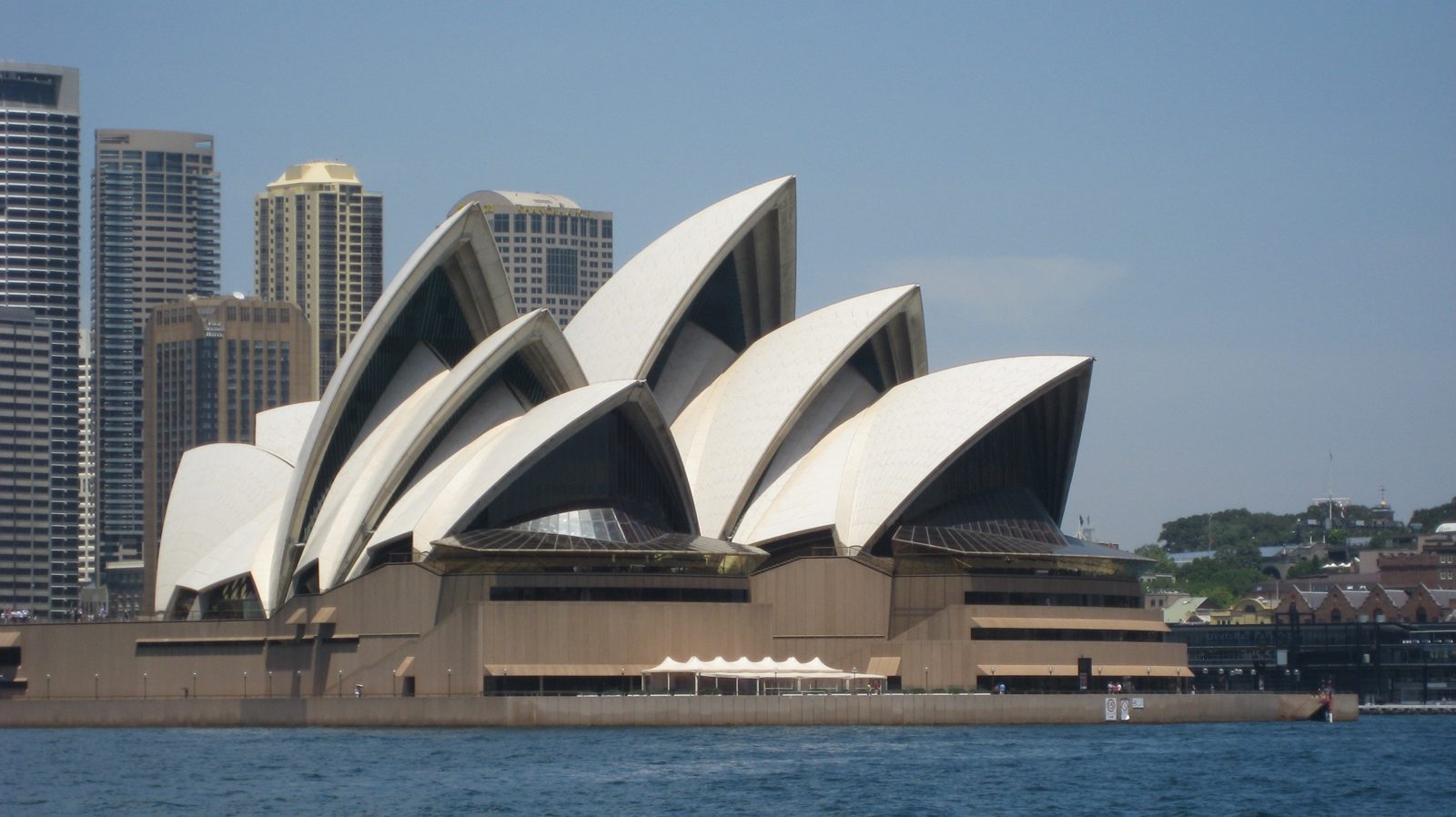
We had noticed a problem with the radar on our passage to Brisbane and happily found a Furuno dealer nearby who unhappily told us that it could not be repaired. Being a foreign yacht meant that a new radar could be imported free of customs charges, and so we planned to order a new one from Miami at a considerable discount to buying one in Australia. This would be done in Darwin in due course.
As usual we hired a car and were able to do a little sightseeing whilst visiting the Scarborough marina who were unable to give us a berth, and subsequently the Royal Queensland Yacht Squadron, in Manly, who were.
Now it is true to say that our original plan was to join the Australian Indonesian Rally leaving from Darwin, because it was understood that entry into and out of Indonesia for a single yacht could be problematic. Apparently, the rally which departed annually, was well supported, and well run. We would then leave Indonesia and cross the Indian Ocean to make our way back from South Africa. However, the imminent arrival of Annabel's baby put paid to this plan as Sarah was flying home in time for her confinement, and so we would miss the start.
Whilst having a casual conversation, with a couple who I had met when I first arrived here from Noumea, we discovered that the Blue Water Rally were leaving Darwin in October with a route through the Indian Ocean, the Suez Canal and into the Mediterranean arriving there next April. Given that the rally had a track record, we were excited when they accepted us, as a late entrant, albeit with a charge of £5500. In fairness, we did not do much research before applying to join as it would really suit us given that we would be unable to join the Indonesian Rally, and they would manage the issues regarding our visit to Indonesia, or so we thought. What a dreadful mistake this would turn out to be.
Our next-door neighbour in the marina was a boat called ‘Tharion’ which the owners, Leanne and Brett, had built themselves. It may have been very practical and spacious but to our eyes it looked more like a flat than a boat, however, they were very pleased with it. We were invited to supper and asked if we had any empty rum bottles because they had a distillery on board and made their own! Very good it was too. Brett was a boat builder and Leanne was a high-powered executive. They made great fun of our stock of fishing lures which were examined due to our poor catch record. So, it was with great pleasure that when they presented the journal that Brett’s father had started to record visiting circumnavigators, we were able to attach our pink lure to our track diagram, much to their amusement.
We collected Jane and Willem from Brisbane Airport on 4 May. They were looking very well after having three days in Hong Kong en-route, and happily the weather had picked up for their arrival. It was lovely to see them again.
We took them into the city centre next day to explore, whilst I went to pick up my air tank that needed re-certification. Sadly, I was told that it had to be condemned as it had panted. I had to replace it and did so with a steel tank as the condemned one had been aluminium alloy. Another unexpected expense!
Before Jane and Willem had arrived, they had kindly suggested that they take us up to Lamington National Park to stay at Binna Burra, as their treat. What a treat it was! We went on guided walks through the rainforest with a thoroughly good guide pointing out the different trees, bird calls, and all sorts of wildlife. Our early morning bird walk was fascinating and introduced us to the bower bird for the first time. It is extraordinary that the male builds his structure with sticks and decorates it using only blue objects, to attract a female. It was quite wonderful to see.
When we left on the Sunday, we drove around to another camp in the National Park, which was much more commercialised, and went on a 10 km walk which was both exciting and adventurous, before we drove home to Moonbeam. All in all, it had been a very special experience.
Mooloolaba to the Whitsundays
With all the necessary jobs completed, including replacing the tilting mechanism for the outboard and fitting gas struts on the lazarette, it was time to leave. We said farewell to ‘Tharion’ and motored out from the Marina to cross Moreton Bay en-route to Mooloolaba. We arrived at dusk but found our allocated slot on the pontoon without too much difficulty and noticed an oyster, just like ours, on one of the hammerheads.
The following morning was just beautiful, and we walked into the town on the boardwalk, and whilst Willem and I went to have a beer, the girls wandered around the shops. We could see and hear the surf pounding onto the beach which made us rethink our plan to anchor in the bay off Noosa as it would likely be most uncomfortable.
After lunch, whilst Jane and Willem went off to do some bird watching we met David and Valerie who owned the oyster 55 that we saw when we arrived, and who we would meet again in Phuket sometime later.
We wanted to visit Noosa because Gemma had been here on her year off and an Australian ex colleague of mine used to commute from here to go to work from Heathrow! So, we caught a bus which was an uncomfortable hour and a half journey and discovered Noosa to be a holiday town. There were lots of expensive shops and apparently the beach was suffering from erosion. After a coffee on the front, we walked around the headland to look down on lots of surfers below. We were told by the information kiosk, that a koala had been spotted along the path and we were lucky enough to see it. That made our koala count in the wild up to three as we had seen one in Bina Burra.
We left Mooloolaba just after 9 o'clock in another absolutely beautiful morning with not a cloud in the sky, and as soon as we put sails up the wind died so the day was going to be just motoring once more.
We entered the Sandy Straight inside Fraser Island and Wide Bay just as it was getting dark, but fortunately there were no breaking waves, and the blue leading lights and well-marked channel made it easy to find a somewhat tight anchorage where we stopped for the night. However, when we awoke the following morning, we found that we were incredibly close to a sandbar.
After breakfast we crept slowly up the great Sandy Strait between Fraser Island and the mainland. It is a surprisingly wide and relatively well marked channel, in no less than 3 m but what joy because we were accompanied by dolphins and turtles. The turtles were the first ones we had seen in Australia. We anchored in Gary's Anchorage and put out the crab pots, but when we pulled them up found that they had been destroyed and the bait taken by small tiger fish. These are apparently not unlike piranha.
We continued through the great Sandy Strait to Hervey Bay. We were a little bit tight in some areas but generally there was never less than 3m under us. Willem was helming all the way and did a good job to keep us within the marks. We then had a great sail to our anchorage behind Big Woody Island. When it started to rain, we put up our tent, including the back part of it, which was the first time since we had left New Zealand, so we were very cosy.
We then had a wonderful sail up to Bundaberg in much stronger winds than predicted but on a perfect beam reach. Moonbeam sprinted along most of the way at over 8kts. We were a little disappointed, having heard so much about Bundaberg, when we slowly went up the river to tie up on the pontoon which was covered in seagull poo, and which was both wet and damp. However, this was probably coloured by the fact that it was miserable, and we were wrapped up in our Musto’s. This did not detract from the fact that we did catch a lovely bonito which we had for supper.
Next morning, we caught the courtesy bus into the centre of Bundaberg which was a long drive through immaculately kept sugar cane fields and the most incredible red soil. We wandered around the city, which was just like any other, but in a slight time -warp. There were more bookshops in one street than in the whole of the last few towns. We completed a big shop because we now had a serious intention to get up to the Bay of Islands, and the last opportunity for topping up will be when we arrive in Gladstone. I managed to find a wetsuit which will help to keep me warm when I dive on the boat, but most importantly we acquired a special lure for bonito and tuna.
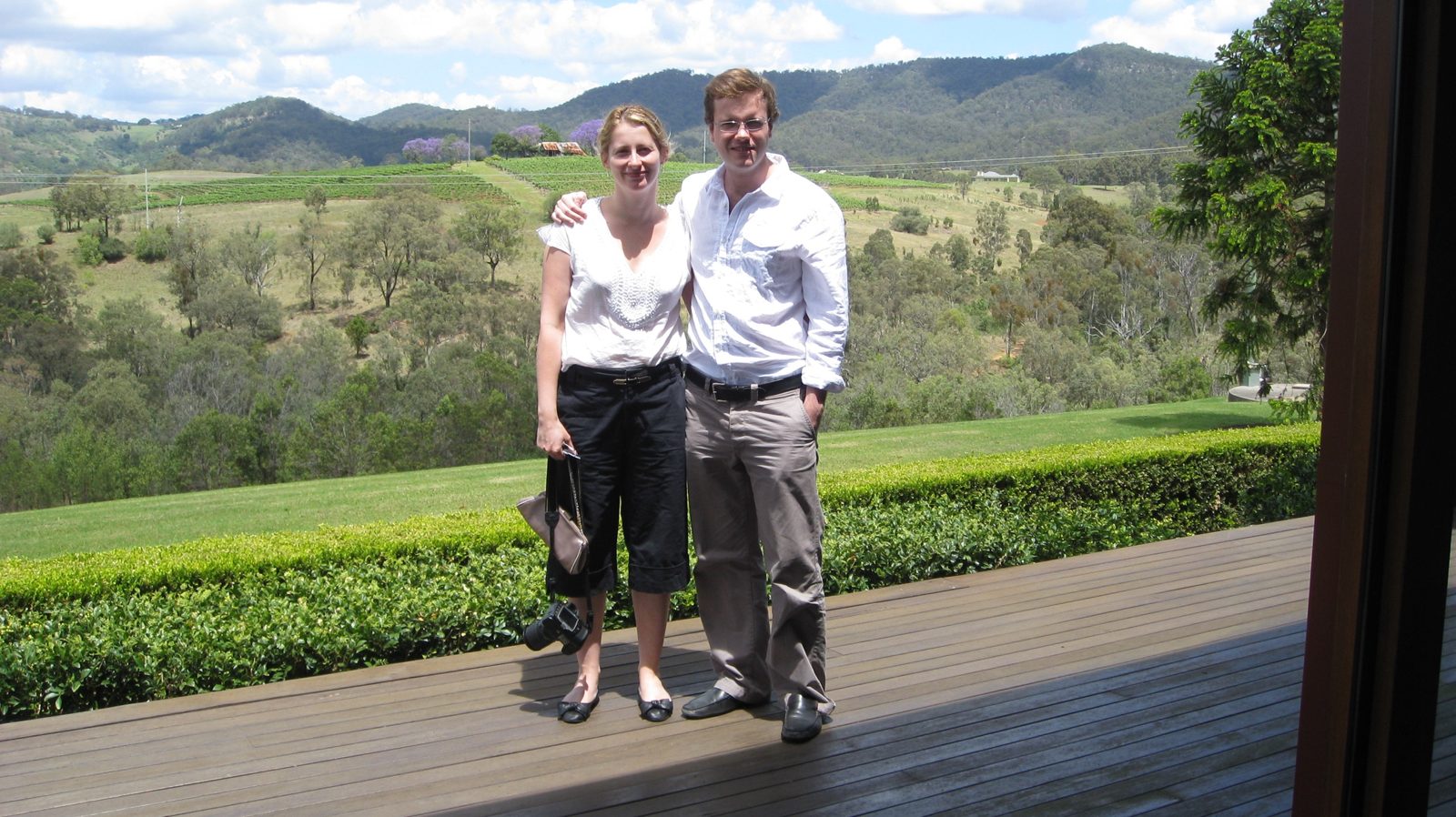
We were now on a mission. We were determined to reach Gladstone via Pancake Creek on our way to the Whitsundays. We departed early in the morning to be clear of the shoals at the entrance and had a gentle sail and an overnight anchorage in Pancake Creek prior to arriving in Gladstone marina in the afternoon of the following day.
The harbour was clearly serving an industrial area but nevertheless the marina was tucked away behind the docks and was surprisingly very pleasant. An excursion into the town revealed lots of empty shops but we were able to top up our stores from a local supermarket and took a taxi back to the marina.
Once we had bunkered fuel the following morning, we departed for great Keppel Island, planning for a day off. It was quite late when we got there but happily, we were able to anchor off Leekes Beach in moonlight, after navigating safely through the entrance with the assistance of radar.
A trip ashore after a leisurely breakfast took us up the hill to look down on Moonbeam in the bay. We were surrounded by beautiful butterflies and walked through the garden of an eco-resort where we spotted a possum in a bucket in the shower. The little thing with its huge eyes and little pink nose was looking at us.
We had a long day sailing up to Pearl Bay on the Capricorn Coast. It was a beautiful unspoiled area, very densely wooded with small islands in the bay and trees coming down to the water’s edge. We were now back in the tropics having crossed the Tropic of Capricorn, but in fact the weather was rather chilly. We continued to Hexham Island in the Northumberland group, again sailing past the most-lovely countryside. This huge area was a military range, covering fantastic mountains and terrain.
We spent the night in the bay alongside Cathedral rocks with a sea eagle nesting on top of one of the pinnacles, and then we set off for Middle Percy Island and Whites Bay. After some overnight rain the wind went around to the south, and we set off for Port Mackay via Digby Island. We passed dozens of big coal carriers waiting to load in the port, just south of Mackay. We berthed in the marina and took a bus into town. The centre turned out to be a rabbit warren with an amazing number of jewellery shops. We were able to stock up at Woolworths and Dan Murphy’s with a good supply of beer and vegetables.
We spent the morning giving Moonbeam a spring clean, taking the Bimini and spray hood off to clean the stainless, and using ‘Magica’ to remove the rust stains. We decided to make Brampton Island the first Whitsunday Island to visit, but first I needed to empty the lazarette to get at the autopilot steering rods and replace one of them with our spare, as the autopilot had been playing up.
We had a short trip to Brampton Island and anchored off the resort, but the wind got up overnight and we started to pitch quite heavily. I needed to put out more chain but overall, it was a very uncomfortable night, so we did a quick hop to Shaw Island and anchored in Kennedy Bay, so that the crew could go ashore and walk up to the summit where there were stunning views all around the compass.
It was now the beginning of June and we gently sailed out of the bay past Pentecost Island named by Captain Cook all those years ago and anchored in White Bay for lunch, and snorkelling and then motored round to Windy Bay to anchor for the night. Here we had an amazing view of Whitehaven Beach, which has incredibly white sand, almost salt like.
Sarah and I made a plan! We decided that we would get up to Townsville in time for Sarah's birthday on the 13th so that Jane and Willem could leave us because they were due to fly out of Cairns on the 15th.
After a rather uncomfortable night we decided to go to Cid Harbour via Hamilton Island and have a quick look at the marina. We timed our passage so there was slack water through the Solway passage and then had a lovely sail down to Hamilton Island through the Fitzalan passage We passed the high-rises which had been built with natural materials and which blended it into the surroundings and got a fleeting glance at the marina before we sailed past the south end of Whitsunday Island and anchored in Sawmill Bay. We went ashore early the next morning to climb the highest peak on the island. It was a pretty steep climb, but well worth the effort as there were amazing views once we had reached the peak - Hamilton Island and Pentecost Island to the south and Hook Island and Hayman Island to the north in clear beautiful weather. What a treat! Willem took a photo to send to Mr Mcminn, the surgeon in Birmingham, who had resurfaced both of my hips and one of his!
After lunch we moved round to Stonehaven Bay on Hook Island and then to Butterfly Bay on the north of the island, the following morning, and which proved to be delightful. However, it was time to say au revoir to the Whitsundays, and we found a slot on a pontoon in Bowen marina that evening, having stopped for lunch at Breakfast Bay in the Gloucester passage to wait for the tide to turn. Bowen marina was tiny, but we met a successful fisherman who sold live coral fish to China. He was departing the next day and then flying to Ireland for a wedding.
I got up early and went into town to find a hairdresser. It turned out that her husband owned the boat that was next to us in the marina, and just after lunch he turned up and took us on a tour of Bowen. He took us to the top of the water tower where we could see the surrounding fields and told us of the recent poisoning of millions of tomato seedlings. It was thought at the time that this was a form of industrial sabotage, and indeed the problem re-occurred a month or so later. It was thought that the irrigation system had been poisoned deliberately. Tomatoes were going to be expensive this year! Much later, it was thought that the water supply had been contaminated by a spill from a mine.
He and his wife came to have a drink with us on Moonbeam that evening and informed us that we were going to pass over the mackeral patch where it was be impossible not to catch a fish. However, he obviously had not made allowance for my fishing skills, as we failed to catch one having left the marina but managed to have yet another lure bitten off.
Townsville, Cairns and Port Douglas
We spent three days, day sailing and tracking up to Townsville flying the cruising chute for the first time since it was wrapped in the Atlantic, and arrived in the breakwater marina, Townsville on 10 June, where Jane and Willem left us two days later.
We spent four days here in Townsville and celebrated Sarah's birthday with a visit to the Sunday market. We walked over the swing bridge to Palmer Street where there were quite a few restaurants and returned to the aquarium where we had visited with Jane and Willem to buy a platypus for Moonbeam to add to her menagerie.
We day-sailed all way up to Port Douglas, first of all picking up a mooring in Pioneer Bay on the Orpheus Island and then spent an uncomfortable night off Dunk Island which had been recommended as a pretty place to visit but the strong south-easterly made the anchorage unpleasant, so we didn’t go ashore. We sailed northwards on the following day, but the weather changed for the worse and we could barely see the coastline and were battling into a large current and swell. We sought refuge in Mourilyan Harbour along with a couple of fishing boats and their dories. The harbour was a major port for the export of sugar, with huge silos connected to a long conveyer belt to load the ships alongside. We were advised that we might need to move if a big ship came in, but in fact we had a peaceful night out of the weather.
Once the sun came up the following day, it was to a lovely morning, and we had a wonderful sail up to Cape Grafton before turning into Cairns. The wind had picked up and it was blowing strongly in Mission Bay, which was very exposed, so we decided to head down into Cairns along with the dozen or so tripper boats that had been out to the Barrier Reef for the day. We anchored just off the channel opposite the marina, and after a quiet night we left Cairns, again in beautiful weather along with like-minded yachties. We haven't sailed amongst this number of yachts for quite a while! The wind was light, so we poled out the Yankee for the first time in ages and this kept us moving along at 5kts so that we arrived at the entrance to the marina in Port Douglas shortly after lunch, and tied up on a pontoon, with nobody to help. This was a common feature in Australia that we had become accustomed to.
Sarah was able to get her haircut and highlighted and we treated ourselves to dinner at one of the restaurants with tables outside in the sunshine. We had oysters to start, and I had a steak and Moreton Bay bugs, whilst Sarah had a whole deep-fried fish. It was lovely! I picked up a car from Avis and we decided to be tourists for the day, so we drove up to Mossman Gorge first, and walked through the tropical rainforest where there are amazing trees. We walked over a swing bridge that was quite literally very swingy and drove up to Cape Tribulation, having a picnic on the way, and crossed the Daintree River on a similar chain ferry to the one in Dartmouth. This was the first time that we saw signs warning of the dangers of crocodiles. We walked along the beach and saw that this was the end of the metaled road. There were lots of four-wheel-drive campervans heading up to Cookstown and beyond.
We then had a busy day packing up for our trip back home. It was to be a quick trip for me, but Sarah was going to stay for the arrival of Annabel’s baby. We drove to Cairns and then picked up a flight to Sydney and then via Bangkok to London, where Tom was there to meet us. Sarah drove down to Cornwall with Annabel to join Gemma and Simon and the little ones so that they could go to Suzie Pomfrets’ wedding. Suzie and Gemma had been great friends at school. I drove down with Tom the following day to see them all. We went to the bistro owned by Rick Stein in Padstow and had a delicious meal in a quite lovely atmosphere surrounded by our family. What bliss!
I returned to Heathrow to fly back in order to complete a refit and position Moonbeam to Darwin in time to join the blue water Rally. On my arrival in Sydney, I thought I had a good idea and would drive to Port Douglas rather than catch a plane to Cairns. As I recall my thinking was that I had viewed the coast from the sea, and it would be good to view the coast from the land. This was to prove not one of my best ideas as the road did not really follow the coast. I spent hours and hours driving between plantations of sugarcane with nothing else to see. Not only that, but it was also over 3000 miles, and I finally arrived back in Port Douglas on 4th July.
Moonbeam spent 84 days in Port Douglas, in total. Once I had arrived back, I started doing a refit that is always overdue. I renewed all the forward sanitary pipes and serviced the heads. I sanded the main deck and cleaned it before covering it with Teak Wonder. I replaced the steering on the dinghy, updated the computer with a new DVD drive and memory. I serviced the fridge a/c pump and had the water maker high-pressure electric motor rewound and serviced. All this was done along with a hundred and one little items, before it was time to go. However, Annabel's son, Wilfrid Matthew Otto was born on 23 July and very sadly with distressing complications after a nearly 24-hour labour.
Initially the outlook was very poor and so I returned home via Tokyo as soon as I could. The next few days were spent praying that Wilfrid's brain damage would not be as devastating as Professor Edwards, who was the consultant paediatrician, counselled us that it might be.
Happily, as I write this Journal 10 years later, I am delighted Wilfie has grown up with hardly any disability and is an intelligent and delightful young man. Truly a miracle, but in many ways down to the dedication and determination of his Mum and Dad.
Solo to Darwin, September 2010
I returned to Moonbeam on 16th August and departed Port Douglas on 10th September, with a full tank of diesel. I had met one of the Blue Water Rally yachts in the marina and in conversation found that the skipper, Pete Callis, came from Dartmouth and lived about 200 m away from our house! It is a small world….
The next 1250 miles were to be on my own. I had brought out a new autopilot head because of the problems that the autopilot had been exhibiting, and once installed and the steering adjusted, the sea test appeared to show that it had fixed the problem. My optimism was short lived as the autopilot persistently drove the boat in an unpredictable direction, with the warning of an autopilot drive problem. Eventually, I managed to troubleshoot it to the left autopilot drive, which I promptly removed. This left the control to just one drive, but at least it worked!
My plan was to sail up to Cape York inside the Great Barrier Reef. I decided that as I was solo I would day- sail and anchor each evening. The first 270 miles was completed uneventfully in three days, and when I anchored, I was called up by ‘Bali Blue’ who it turned out to be another Blue Water Rally yacht, and who was alongside.
The delight of being inside the Great Barrier Reef was that generally the wind blew steadily on the beam between force four and six, and because the Pacific swell broke on the reef the waters inside were usually benign.
I averaged 60 to 80 miles a day in generally very good weather and in the company of Bali Blue. However, five days out neither of us had a good day. Bali Blue was knocked down in a thunderstorm, and Moonbeam ripped her Yankee after I had managed to jam the furler, which left me having to drop the sail in 25kts of wind, on a lee shore. Once I had got everything back to normal, or at least under control, I then promptly ran aground trying to get into the entrance of the Escape River. Oh dear, oh dear! Still, all's well that ends well, and nothing was damaged beyond my self-esteem.
It was now just a short trip to the entrance to the Albany passage and mid-morning Moonbeam said a fond farewell to the Pacific Ocean as she entered the Arafura Sea.
I sailed up past Cape York and left a Union Jack off Possession Island. It was here after all that Captain Cook claimed Australia for England, all those years ago, and essentially gave birth to the nation as we now know it.
The next 740 nautical miles took five days during which, I was buzzed by the Australian Coast Guard aircraft (a light twin) no less than three times and had a good conversation on each occasion. They patrol the sea between the north coast of Australia and Papa New Guinea on a regular basis, to control illegal immigration. I wish we did the same around the coasts of the UK.
I never felt very much that I was on my own because I regularly passed ships, yachts, and tugs, often with tows behind and not forgetting the odd cruise ship. It was easy to strike up a conversation on the radio, and as a rule everybody was typically friendly. The passage was essentially uneventful until I was approaching my destination off Fannie Bay in Darwin. I noticed that the windless was demanding 230amps! It was doing this all by itself and, no surprise, consequently burnt out the motor - happily before it caught fire. It turned out that there was no way of disconnecting the power to the windlass other than by severing the cable to it. I was not best pleased as it would be yet another expense and refit to be completed. On later inspection, the up contactor had developed a short circuit and closed the relay. I suppose I should have been grateful that it was the up relay because the down relay would have resulted in the loss of the anchor and 120mtrs of chain!
Darwin, September–October 2010
Happily, two days out of Darwin, I learned that Sarah was on her way and that Moonbeam’s mistress would be back on board by 26 September, when we could pick up the anchor in Fannie Bay and move into Tipperary Waters Marina where she would stay until leaving on the Blue Water Rally. However, before that, Moonbeam had to be inspected by Australian Fisheries to confirm she was not carrying unwanted marine creatures that might damage the local fishing eco-systems. This was carried out by a team of divers, who happily gave us a clean bill of health.
The tidal range was such that it was extremely difficult to get to the boat when the tide was out because the dinghy would have to be dragged for miles. Consequently, when Sarah arrived, and I was able to pick her up from the airport, we spent the night in an hotel so that we could wait for high tide the following day in order to get out to Moonbeam.
This entailed getting up before dawn and pulling the dinghy down from the yacht club passing a sign saying ‘beware of crocodiles!’ However, we made it safely to the water’s edge and were able to take Moonbeam around to the marina, passing the high-rises that had been built since the devastating cyclone of Christmas 1974, which had completely flattened the area.
It was very hot indeed in the marina with a boat like an oven, even though we ran the air-conditioning and had the shades up all around the cockpit. We now had 2 1/2 weeks before our departure on the Blue Water Rally. There was an awful lot to do. I took the fuel injector off the engine, for the third time this trip, so that it could be refurbished as it was playing up once again. I took the Yankee to a sail- maker for repair. The new radar was on its way from Miami, and I located a new motor for the windlass, as it had burnt out and was beyond repair. However, the nearest one was in Perth, which was duly dispatched and arrived a few days later. We obtained sailing guides for the Indian Ocean, Indonesia and Thailand and visas from the Indonesian Consulate by parting with $150.
Meanwhile the Blue Water Rally boats started arriving in the marina, and we introduced ourselves to one and all who generally seemed to be very pleasant, and welcoming. However, there was no doubt that we were incomers, which was no surprise as they had been together since departing Gibraltar. In addition, it was clear that there was a hierarchy of boats with Blue Magic, a Discovery 53, and Miss Tippy, a new Oyster 56 on top.
Our next-door boat in the marina was called ‘Tranmontana’, and whose owners, Lex and Joe invited us for a drink. Lex was a retired barrister and Joe was full of fascinating and useful information. They were both on their second marriage. She had spent time in the far north of the Northern Territories and married an Australian with whom she had a child. It was their life together that formed the basis of the story of Crocodile Dundee. She had written a book about this life in the outback, and we were delighted when she was kind enough to give us a signed copy.
We managed to pass the inspection, which was a prerequisite of joining the rally, having to explain if not justify, how we ran the boat. Richard Bolt, who was the rally representative, spent a couple of hours with us. He let it be known that he was taking a gamble regarding the entry into Indonesia for the yachts on the rally. Of course, it turned out that it was not his risk but ours, but more of this later.
We attended our first Blue Water Rally briefing for our trip to Kupang, which was our first insight into the organisation, or lack of it, of the rally staff. Having worked non-stop to fit the radar, fix the windlass and install new relays, we were ready to visit customs for our outward clearance. We had been in Australia for very nearly a year, and we were very pleased to get $300 GST back. We had enjoyed our time here in Darwin and lunched on several occasions at the Darwin Yacht Club overlooking Fannie Bay, which had welcomed us more than us 35 years ago when we started flying.
Kupang and Indonesia, October 2010
On Wednesday, 13 October we were booked out of the lock at 0800, and so at last we were homeward bound, and shortly afterwards lost sight of Australia for the last time. We set course for Kupang in West Timor and had an uneventful three days sail, whilst sorting out the furling drum for the Yankee and re-threading the vang so that we could use the main. We got used to the HF radio net and the general chatter on the VHF, which was quite an eye-opener to sailing in a rally. However, otherwise life was looking up because we caught a fine tuna just 10 minutes after starting to fish - perhaps my luck was changing.
We were buzzed by a maritime control aircraft on the second day out, and on the third day we saw what looked to us to be a suspicious boat, turning circles a few miles away. We had been asked to look out for anything suspicious or unusual and so I sent an email to Customs and shortly afterwards a Coast Guard aircraft appeared over the horizon to have a look and advised that it was an Indonesian fishing vessel. They were, however, very grateful that we had alerted them. We made steady progress to Kupang but had to motor most of the way due to very light and variable winds. This was the downside of leaving so late in the year.
Our arrival in Kupang turned out to be a fiasco regarding obtaining customs clearance for our stay in Indonesia. Basically, Richard Bolt was trying to get away with not paying the required bond for each of the yachts on the rally and, no surprise eventually clearance was refused. This meant and we were to spend all our time in Indonesia, until we reached Bali, in contravention of Immigration and Customs. Without clearance, we were at risk should we be boarded by officials, in Indonesian waters. Without being able to produce the necessary clearance, it would potentially put us in jail and Moonbeam subject to forfeiture. This unnecessary risk was to spoil our enjoyment of cruising in one of the most delightful areas.
Now I was very angry about this. After all, I had been responsible for adherence to all the rules and regulations of the many countries that we had visited for the last four years without mishap. The first time that this responsibility had been delegated to a third party, it had been cocked-up.
Nevertheless, we were able to get fuel, and started to get to know the crews from the other yachts and were able to treat the engine and generator to an oil change. We bought a dongle from a local phone shop to be able to get on the Internet and had a gas bottle refilled. However, when we got back to Moonbeam, we heard an announcement on the radio from Richard that all boats were required to leave at first light the next day. Failure to depart by 0600, would result in the boat being impounded. A meeting was called for 1730 to discuss our options, and given that there weren’t any, we agreed to try to stay together with two other yachts, ‘Moonshadow’ and ‘Talismano’ to find similar anchorages, and essentially minimise our exposure to built-up areas, where we might meet officialdom.
Well, the next day we have never seen so many yachts depart in such a hurry. It was actually a lovely morning with a reasonable breeze which enabled us to pole out the Yankee. We had a good sail for the first 150 miles and then motor sailed for the last 100, until finding an anchorage in Rinca.
It was clear that there was considerable discontent with the way Richard Bolt had handled the issues in Kupang. It appeared that this had been compounded by earlier unhappiness at the way the rally had been run and there was a demand for a meeting with the management of the Blue Water Rally, in Singapore. There was clearly a loss of confidence in how they would lead the rally around the Gulf of Aden. Eventually an email appeared announcing that they had negotiated a payment of US$800 for each boat. We were now caught between a rock and a hard place and will have to pay it.
We had a pleasant evening entertaining Anna and Peter from ‘Talismano’ and Peter, David and Jim from ‘Moonshadow’ on Moonbeam. Anna delighted the chef by declaring my home-made pizza to be as good as an Italian version!
We were up early the following morning so I could go up the mast to swap halyards on the Yankee. We had been experiencing a persistent problem of the top of the foil chafing through the leather protection where the halyard was bent onto the head of the sail, and then we departed in trail of ‘Talismano’. We had to track along the north coast of Sumbawa which required us to go up through the channel between Rinca and the Komodo Islands. There was very little wind so we started the engine so that we would be able to combat the five-knot current in the channel, which was running against us. However, we suffered an engine overheat which initially I thought was likely to be because the raw water impeller was breaking up, even though I had previously commented that there appeared to be a noise coming from the gearbox, so I topped up the gearbox oil as a precaution.
Once the engine had cooled, we were able to run it at 1800 rpm for the rest the day, until we dropped anchor in Bina Bay, alongside ‘Talismano’, who were kind enough to give me some of their spare ATF oil, as I was getting low. We left promptly at 0700 the next morning after I had changed the impeller and been up the mast to bend the new halyard onto the Yankee. All in all, it was a busy morning.
Once again, the wind was light and variable so we motored until we found a place to anchor below Mount Tambora, off a small fishing village, after we had been chased off by park rangers when we attempted to anchor on the top of some drivers. Needless to say, they had absolutely no warning flag or dinghy to protect them. Once we were settled, a thorough examination of the engine revealed play in the aft bearing of the gearbox, which was leaking ATF oil. This would obviously need to be fixed sooner rather than later.
We had a good sail the following morning, but as usual the wind died quite early on, so we motored across the bay and along the coast until we found a spot to anchor behind two islands on the north-east corner of Lombok and below Mount Rinjani, which is the second highest mountain in Indonesia. At about 2100 after supper, Sarah went forward to get the fan to put in our cabin and noticed that the halyards were slapping loudly. When I put my head up in the cockpit, I found that we were in a full gale, and we were dragging our anchor onto a lee shore. I started the engine and took the weight off the anchor chain and continued to steer the boat around in circles until the worst of the wind and rain had passed through. Whilst being thoroughly wet and miserable, I could see ‘Talismano’ was in similar difficulties, and it turned out that they only just kept afloat in very shallow waters.
We picked up a mooring at Gili Air on the north-west corner of Lombok having motored through local fishing boats trailing their nets and which would prove to be totally invisible by night because they did not have any lights. It was only possible to determine where their nets were by observing the direction of the boats. We went ashore for a quick lunch and then again at 1700 for happy hour, as it was Guy’s birthday off ‘Larooba’. He and his French wife Simone had two lovely children, Hugo who was 3 and Juliet, 4. We presented him with a Moonbeam T-shirt as a birthday present.
We had a great motor-sail across to Bali at times doing over 9kts. It was a wonderful sight as we crossed because it looked as though there was a regatta with a great many coloured sails in the channel. We nearly picked the wrong harbour, when we were deceived by a charter sailing boat, sailing out of a small bay, but we saw ‘Talismano’ heading further south, and on examination of the chart, our mistake became obvious. An entrance to a large bay opened up which was alive with dozens of pleasure boats whizzing about and so we slowly made our way up the channel counting off the port and starboard buoys to the marina. We were disappointed to see that ‘Talismano’ had cut the corner and ran aground where they had to stay for the next eight hours!
Now this was a very special arrival for us because Sarah and I met when I was visiting the passenger cabin of a B747 at 35,000 feet over this island 37 years ago. We (the flight crew) had acquired a new cabin crew when leaving Hong Kong for Darwin and Melbourne, and because flight and cabin crew were picked up from the hotel at different times and delivered to the airport separately, we had not met any of our new crew, so I went to say hello to a very special lady who I subsequently married. Well now we were able to walk ashore – what a joy!